

The electrolyte rabbit hole
a tiny cutting investigation into ubiquitous thirst propaganda (not about looksmaxxing)

We’d just done the same dull 8k along the river, and now he was performing a small ritual at the bench. He opened a branded shaker bottle, powdered in a sachet, water goes cloudy. Shake shake shake. I had water and I felt, briefly, like I’d shown up to a wine tasting with a juice box.
My excuse for caring about any of this: I’m slowly kicking off a food brand of my own, which means I now spend a weird amount of time studying how everyone else in the trade pitches themselves to a potential customer. And to be honest my eyes climb up my forehead at the founder-voiced, science-cosplaying, faux-clean bullshit of it. So I thought, okay, fiiiine, let me actually go down the electrolyte rabbit hole. Maybe I’m fuming over nothing.
Sweat is mostly water, and the electrolyte you actually lose in it, by a wide margin, is sodium. Potassium and magnesium turn up in much smaller amounts, and most people moving their bodies normally don’t drain those from sweat at all. The tricky part is how wildly it varies from person to person. Sweat sodium is shaped by genetics, heat, training, diet, all of it, so it lands anywhere between roughly 0.5 and 1.5 g per litre of sweat, and you sweat somewhere between 0.5 and 2 litres an hour. Translation: two people doing the identical workout can lose three or four times different amounts of salt.
Which is why the asinine “everyone needs electrolytes” rule manages to be wrong in both directions at once. It oversells to the person on a light jog and undersells to the real salty sweater. A 2025 review of sodium for athletes lands exactly there: deliberately topping up sodium mostly matters for people with high sweat rates and salty sweat, and mostly past the 2-hour mark.

The cleanest line in all of it is just duration. The American College of Sports Medicine, in its position stand on fluid replacement, basically says that under an hour there’s no real physiological or performance difference between a fancy carb-electrolyte drink and plain water. Past an hour, sure, a bit of carbohydrate and sodium starts moving the needle: it helps the drink go down, helps you hold onto fluid, fuels the longer effort. Under an hour, the expensive drink is just… water in Maison Margiela.
Broken down by the sports I actually do:
Running is the one where electrolytes most plausibly earn their keep. Long runs, races, training in heat, that’s where you cross the duration and sweat lines. A 10k in spring, water. A 2-hour run in July, fine, sodium genuinely helps.
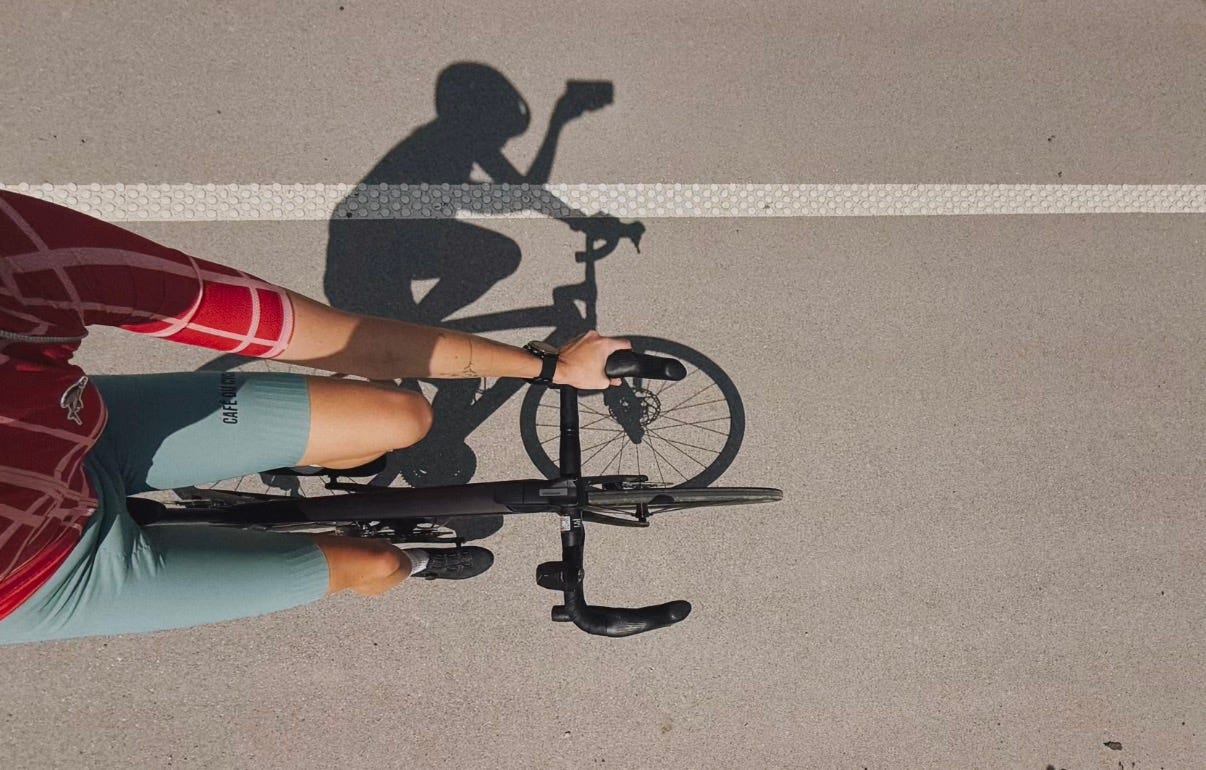
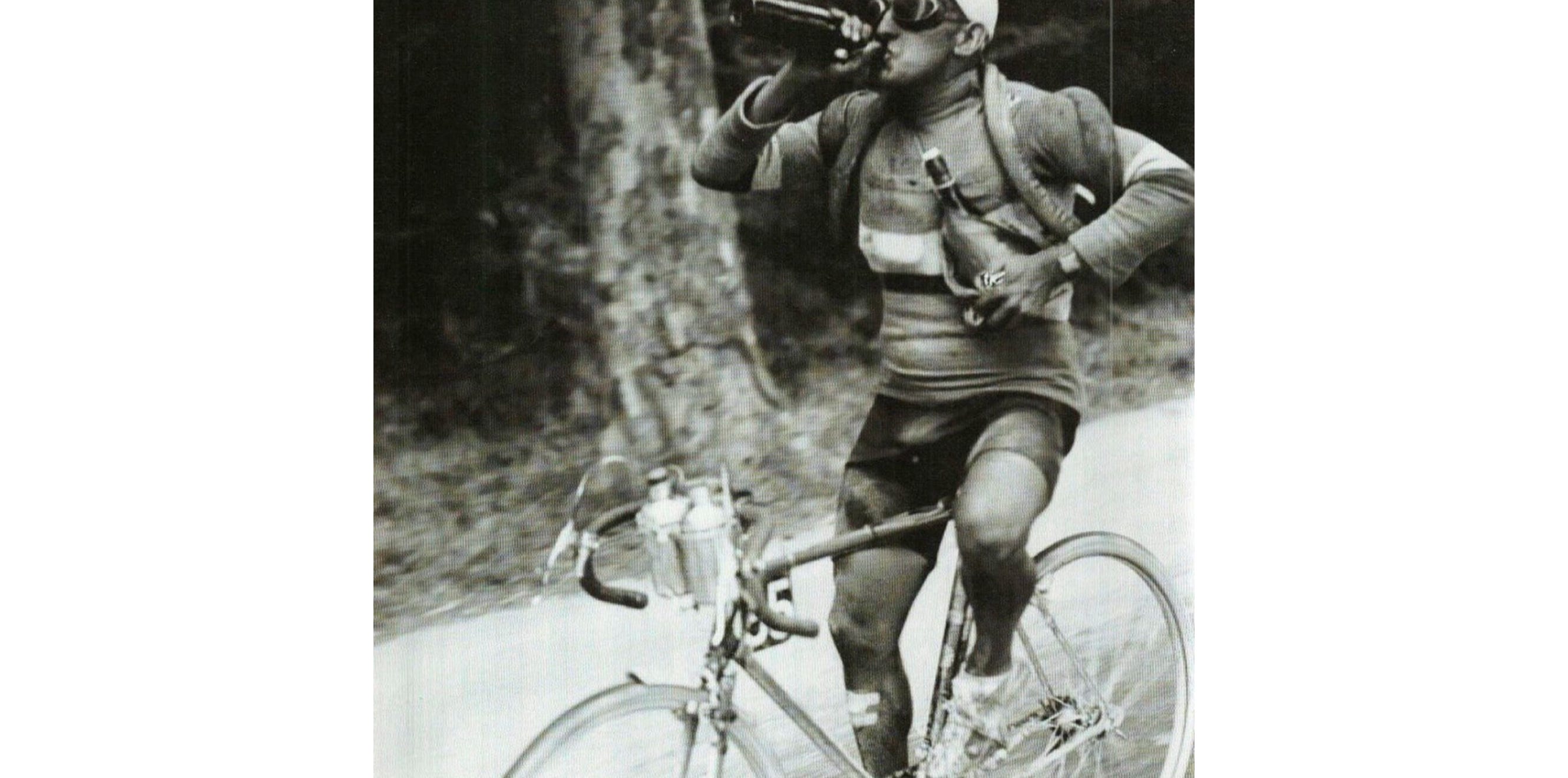
Cycling, same logic, with one trap: cyclists lowball their sweat loss because the airflow dries it off before they clock it happening. Long hot rides are a real sodium scenario.
Gym is the weakest case by a mile. A normal lifting session is stop-start, indoors, rarely over 75 minutes, barely sweaty by these standards. Water and a normal lunch (revolutionary, I know) genuinely cover it.
Two things there quietly knock the legs out from under the product pitch. One, the 2015 international consensus on it says to drink to thirst. Not to a schedule, not to a target, to thirst. Two, sodium doesn’t reliably save you anyway: in a study of ultramarathon runners, taking sodium during the race didn’t prevent cramping, didn’t prevent dehydration, didn’t prevent nausea.
And now my favorite part. The cosy story that cramps come from sweating your electrolytes out isn’t really holding up. The evidence leans the other way now, toward plain neuromuscular fatigue: a cramp as a wiring glitch in an overworked muscle, not a body-wide salt shortage. The tell is that a cramp grabs one specific muscle, the exact one you’ve been hammering, which is a very strange thing for a whole-body deficit to do. And cramps happily show up in people who are fully hydrated and fully topped up on electrolytes.
And a jarring moment of truth. The 2010 study in Medicine & Science in Sports & Exercise gave pickle juice to cramping, dehydrated subjects, and the cramp stopped in about 85 seconds. Except… their blood sodium and plasma volume hadn’t meaningfully changed in that window. The juice hadn’t even been absorbed. The mechanism is a reflex (heh): acetic acid hits receptors in your throat and quiets the overactive nerves driving the cramp. It works because of taste and acidity, not because it refilled anything. The brine doesn’t cure cramps by being an electrolyte, it cures them by being sour.
So, to actually sum it up: the whole “is it marketing or is it real” question is the wrong question. Electrolytes aren’t made up. You do lose sodium in sweat, and in the right conditions you do need to put it back. The thing being sold is real, it’s just aimed at the wrong person, at a dose nobody asked for. Electrolytes are useful in a narrow, specific way: efforts past 60 to 90 minutes, real heat, actual salty sweaters, marathon-triathlon-long-ride territory. Marketing takes that small true fact and sells it to everyone, the guy doing his hour at the gym, the person who is, like, just thirsty. That’s the exact stretch where there’s more marketing than benefit.
And about the brine. The thing here is not to flip straight into the opposite romanticising. The brine isn’t “better” in some superior-electrolyte-magic way. Sodium-wise it’s in roughly the same league as a sports drink, just without the sugar bomb, the powder, the branding markup.
Where it actually wins has nothing to do with electrolytes. The acid, acetic in the brine, citric in the lemon I blend into mine, kills a cramp by reflex, through your throat, in seconds, long before anything could possibly absorb. A sodium powder can’t do that. Plus brine is food. For someone like me, an amateur, electrolytes aren’t a thing worth being serious about, and definitely not a thing worth paying marketing for. The brine is worth drinking, just not for the reason on the label. It’s good, it’s not industrial, it’s sour. And sour is the one thing the sachet will never be.